
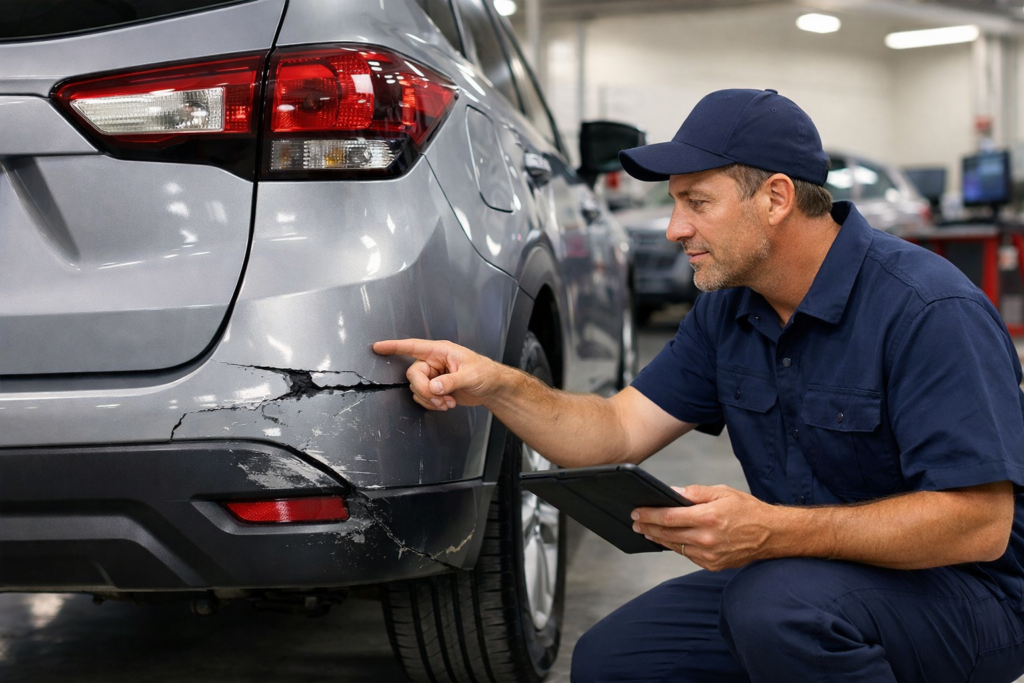
A lot of drivers make the same mistake after an accident: they look at the damage, decide the car is still drivable, and tell themselves they’ll deal with it later. At first glance, that decision feels practical. Life is busy. Work does not stop. Kids still need rides. And if the damage seems minor, delaying the repair feels harmless.
The problem is that collision damage is rarely just cosmetic.
What looks like a small dent, a loose bumper, a cracked headlight, or a slightly shifted fender can turn into a much bigger issue over time. In many cases, the damage you can see is only a small part of the story. Underneath the surface, there may be hidden problems affecting your vehicle’s safety, performance, and long-term value.
For drivers in Fort Worth, this matters even more. Between highway driving, Texas heat, sudden storms, and daily wear on the road, even minor damage can worsen quickly. If you’ve been putting off repairs, here is what you need to know.
The Damage You See Is Not Always the Damage You Have
After a collision, most people focus on what is obvious. They notice the dented panel, the cracked bumper, the paint damage, or the broken grille. What they often do not realize is that modern vehicles are built with layers of structure, sensors, brackets, clips, supports, and safety components hidden behind those exterior parts.
A bumper, for example, is not just a piece of plastic. Behind it, there may be absorbers, reinforcement bars, mounting points, brackets, blind-spot sensors, parking sensors, or other components that all need to be checked. If any of those pieces are bent, loose, or damaged, the vehicle may not perform the way it should in another impact.
That is why delaying repairs can be risky. The vehicle may still drive, but that does not mean it is fully safe or fully restored.
Loose Parts Rarely Stay in Place
One of the most common problems after an accident is loose or improperly aligned body components. Maybe the bumper looks “good enough.” Maybe the fender still clears the tire. Maybe the splash shield underneath the front end is hanging a little, but not too much.
That might hold up for a day. It might even hold up for a few weeks. But eventually, rough roads, highway speeds, rain, heat, and vibration start to do their job. Clips pop out. Panels shift. Liners drag. Wind catches loose parts. Something that would have been a manageable repair becomes a bigger one.
We see this happen all the time. A driver waits because the damage seems minor. Then the underbody panel tears off on the highway. A bumper corner starts separating. A loose inner liner rubs against the tire. A broken headlight mount creates additional vibration damage. Now the repair is more expensive than it would have been if it had been addressed right away.
Paint Damage Does Not Stay Small
A lot of people underestimate the importance of paint. They think paint is just about appearance. It is not. Paint is also protection.
When the paint surface is cracked, chipped, or scraped deeply enough, it can expose the material underneath to moisture, debris, and environmental damage. On metal panels, which can eventually lead to corrosion. On plastic parts, it can cause premature wear, discoloration, and a poor finish that gets worse over time.
Fort Worth weather does not help. Heat, sun exposure, dust, rain, and changing conditions are hard on damaged finishes. What starts as a simple scuff or paint break can become a much bigger cosmetic and structural issue if ignored too long.
If you care about how your vehicle looks, how long it lasts, and what it will be worth later, paint damage should never be dismissed as “just cosmetic.”
Small Accidents Can Affect Alignment and Handling
Not every alignment issue comes from hitting a curb or needing new tires. A collision can absolutely affect how your vehicle tracks and handles, even when the impact seems minor.
If a wheel, suspension component, steering component, or structural mounting point is shifted during an accident, you may notice signs such as:
- The vehicle is pulling to one side
- The steering wheel is no longer sitting straight
- uneven tire wear
- a vibration that was not there before
- a different feel at higher speeds
Sometimes drivers adapt to these changes without realizing it. They start holding the wheel a little differently. They assume the road is uneven. They blame the tires. Meanwhile, the underlying issue remains unresolved.
That can shorten your tires’ lifespan, increase wear on other components, and affect how the vehicle responds in an emergency.
Modern Vehicles Need More Than Body Work
Today’s vehicles are more advanced than ever. A collision repair is no longer just about straightening metal and repainting panels. Depending on the vehicle, the repair may involve safety systems, sensors, cameras, lane departure technology, blind-spot monitoring, parking systems, and Advanced Driver Assistance Systems.
That means even a relatively small hit can create issues that are not immediately visible to the owner.
If a sensor mount is shifted, a camera angle changes, or a bracket no longer sits where the manufacturer intended it to, the system may not perform properly. Sometimes the warning light comes on. Sometimes it does not. Either way, the system can be compromised.
That is one of the biggest reasons why professional repair matters. The goal is not just to make the car look better. The goal is to restore it correctly.
Delayed Repairs Can Hurt Resale Value
Even if you plan to keep your vehicle for a while, resale value still matters. A vehicle with visible damage, poor paint, loose trim, or obvious collision issues will almost always be worth less than one that has been professionally repaired.
Buyers notice the details. So do dealerships. So do appraisers. If a vehicle has mismatched paint, poor fitment, damaged trim, or signs that previous damage was ignored, it raises questions. People start wondering what else was missed.
On the other hand, a vehicle that has been properly repaired, looks clean, and presents well inspires confidence. That matters whether you’re trading in, selling privately, refinancing, or just protecting your investment.
Insurance Delays Can Create Bigger Problems Too
Some drivers wait because they are unsure about insurance, deductibles, or whether it is worth filing a claim. That hesitation is understandable, but waiting too long can complicate things.
The longer you wait, the harder it can become to clearly document the original damage, especially if something gets worse over time. Loose parts may fail later. Damage may spread. The weather may affect the condition. And what began as one repair may now involve additional issues that are harder to separate.
Even if you are still deciding what route to take, getting the vehicle inspected sooner rather than later is the smart move. Information gives you options. Waiting usually takes options away.
Fast Repairs Are Not the Same as Proper Repairs
Another reason some people delay repairs is that they have already had a bad experience somewhere else. Maybe the communication was poor. Maybe the work was rushed. Maybe the finish did not hold up. That kind of experience makes people hesitant, and understandably so.
But there is a difference between getting a repair done quickly and getting it done right.
A proper collision repair should involve:
- a thorough inspection
- clear communication
- accurate repair planning
- quality materials
- correct fitment
- proper refinishing
- attention to detail
- verification before delivery
The goal is not just to get the vehicle out the door. The goal is to return it to you in a condition you can feel confident about.
Why Acting Early Usually Saves Money
People often delay repairs to save money, but in many cases, the opposite happens.
Here’s why:
- Small paint damage becomes larger, requiring refinishing work
- Loose panels damage nearby parts
- Missing clips or mounts create fitment problems
- Damaged liners and shields are torn apart completely
- Alignment issues wear out tires faster
- hidden structural or sensor issues go unnoticed longer
- Cosmetic issues become harder to correct cleanly later
The earlier the damage is addressed, the more likely the repair will remain focused, efficient, and cost-effective.
What Fort Worth Drivers Should Do After Minor Collision Damage
If your vehicle has been involved in any collision, even a minor one, the smartest next step is simple: get it inspected.
You do not need to panic. You do not need to assume the worst. But you do need accurate information from professionals who know what to look for.
A proper inspection can help determine:
- What damage is visible
- What damage may be hidden
- whether the vehicle is safe to keep driving
- What repairs are needed now
- What can wait, if anything
- How to protect the value and safety of the vehicle
That one step can save you time, money, frustration, and risk later.
Final Thoughts
Waiting to fix collision damage may feel convenient in the moment, but it often creates bigger problems down the road. What seems minor today can become more expensive, more inconvenient, and more dangerous tomorrow.
Your vehicle is too important to guess with. Its appearance matters. Its value matters. Most importantly, its safety matters.
If your car has damage from an accident, do not assume it is fine just because it still runs. Get it checked. Get real answers. Then make the right decision before a smaller repair turns into a much bigger one.
At Edem Body Shop, serving drivers near downtown Fort Worth, Texas, the focus is on quality repairs, clear communication, and getting vehicles back where they belong — looking right, driving right, and protecting what matters most.